Samaná Whale-Watching Briefings: What Visitors Should Know
A whale-watching excursion in Samaná, Dominican Republic, can be an unforgettable opportunity to observe humpback whales in their natural environment. Before the boat reaches the viewing area, however, visitors may receive important information from the captain, tour guide, or naturalist.
Understanding a Samaná whale-watching tour briefing helps you follow instructions, understand what the crew communicates, and make better use of your time on the water. A briefing is not simply a list of rules. It can also explain the day's plan, what wildlife you might encounter, and why sightings are never guaranteed.
Whether this is your first whale-watching excursion or you have joined similar tours elsewhere, knowing what to listen for can make your experience more rewarding.
What Is a Whale-Watching Tour Briefing?
A whale-watching briefing is an introduction provided by the tour operator or crew before or during an excursion. It gives passengers relevant information about the trip and explains how to participate responsibly.
Depending on the operator, the briefing may cover:
- The planned route and approximate trip duration.
- Basic boat procedures and passenger instructions.
- Expected sea conditions and possible changes to the itinerary.
- Responsible wildlife-viewing practices.
- Information about humpback whales and their seasonal presence.
- What passengers should expect if whales are spotted.
- How to ask questions or communicate with the crew.
Not every operator follows the same format. Some provide a short introduction before departure, while others share information throughout the journey.
Why Do Guides Explain the Plan Before Departure?
The crew needs passengers to understand how the excursion will operate. A clear introduction can reduce confusion and help everyone cooperate during the trip.
Understanding the planned route
Your guide may explain the general direction of travel, the approximate time spent on the water, and whether the excursion includes any additional stops.
The actual route can change according to sea conditions, operational decisions, and wildlife activity. Whales move freely through the bay, so a planned route should not be interpreted as a guarantee of a sighting at a particular location.
Knowing what the tour includes
Listen for details about the excursion's expected duration, included services, and any scheduled activities. If the tour description is unclear, ask the operator to clarify what is included before departure.
This is especially useful when comparing excursions that appear similar but may offer different services.
Preparing for possible changes
Wildlife excursions depend partly on natural conditions. A guide may explain that the captain can adjust the route or timing when circumstances require it.
A flexible itinerary allows the crew to respond to changing conditions rather than treating the schedule as an absolute promise.
Common Instructions You May Hear During a Briefing
Tour instructions vary, but several subjects are especially useful for passengers to understand.
Listen to the captain and crew
The captain is responsible for operating the boat, while guides may explain wildlife observations and communicate information to passengers.
Pay attention when the crew provides an instruction or update. If you do not understand something, ask for clarification rather than guessing.
Follow directions when moving around the boat
The crew may explain where passengers can sit, which areas are restricted, and how to move safely when the boat is underway.
Avoid moving to another position without checking whether it is permitted. Keeping walkways clear also makes it easier for passengers and crew to move around.
Respect wildlife-viewing instructions
Responsible operators should explain how passengers can observe whales without encouraging harmful interference.
Follow the crew's directions about where to watch from, when to remain seated, and how to behave when whales are nearby. Never attempt to attract, touch, feed, or approach a whale independently.
Keep questions clear and considerate
It is natural to have questions about the animals, the excursion, or the surrounding environment. Wait for an appropriate moment if the captain or crew is managing an operational task.
A guide can often provide helpful context that makes a whale sighting easier to understand.
What Guides May Explain About Humpback Whales
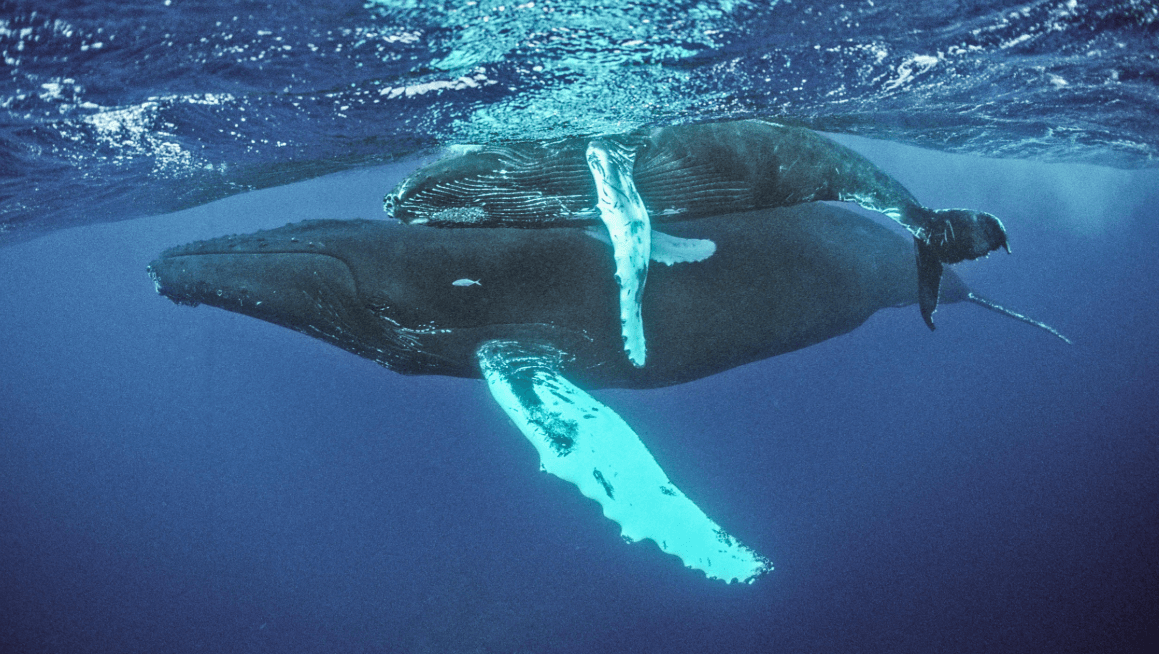
Samaná Bay is known as a seasonal breeding and calving area for North Atlantic humpback whales. During the season, visitors may observe whales engaging in different natural behaviors.
A knowledgeable guide may explain several things during the excursion.
Why humpback whales visit Samaná
Humpback whales migrate between feeding areas at higher latitudes and warmer tropical waters used for breeding and calving. Samaná Bay is one of the locations where they gather during the breeding season.
The guide may discuss migration, reproduction, and the importance of protecting the animals and their habitat.
Why sightings can be unpredictable
Whales are wild animals, not performers following a schedule. They may surface, dive, travel, rest, or change direction without warning.
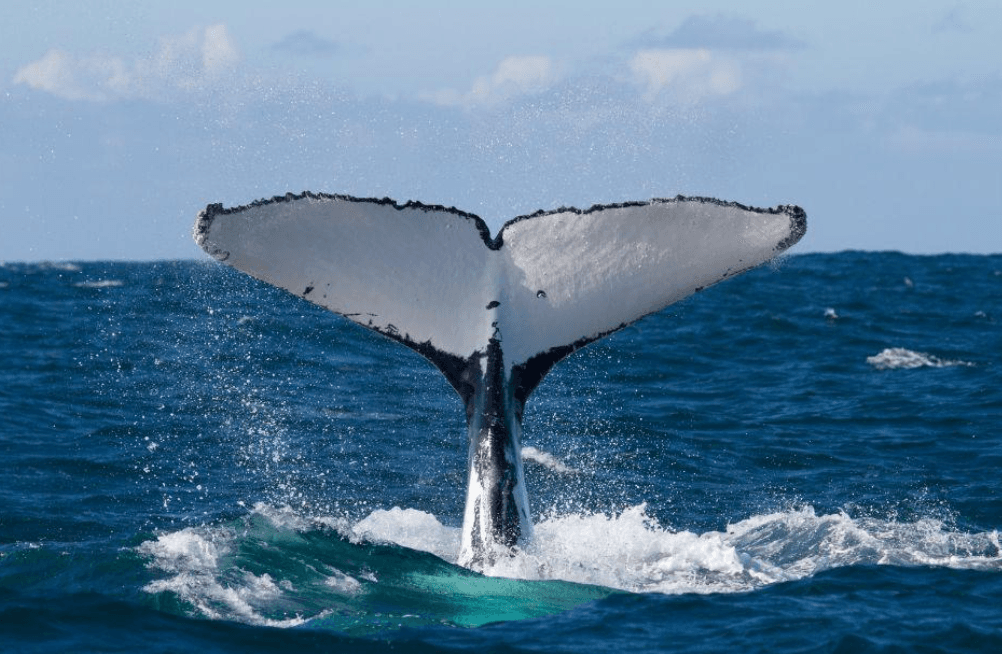
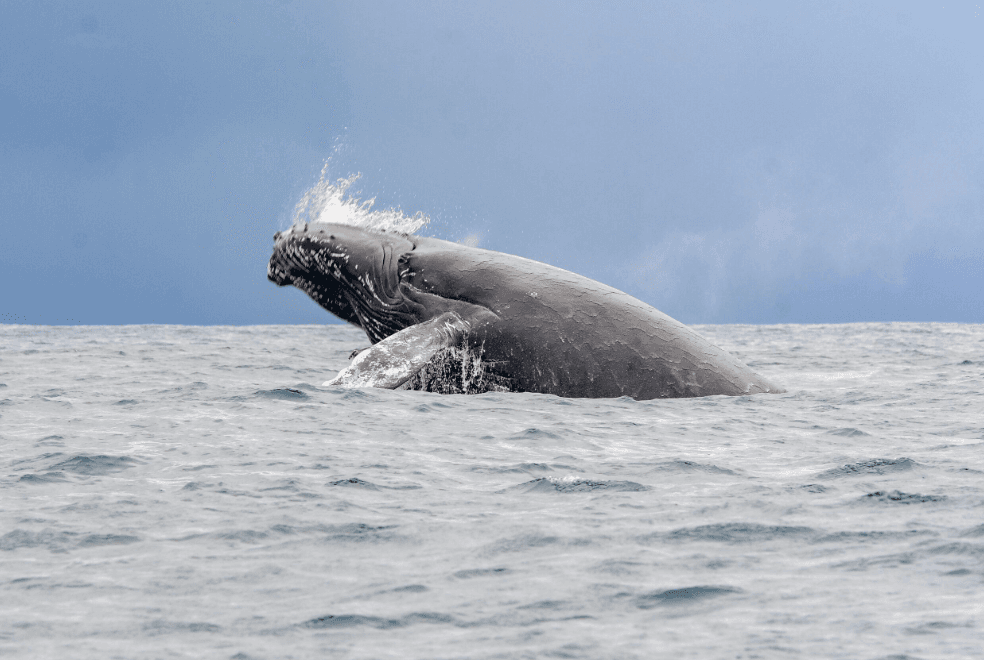
A guide can help passengers understand that seeing a whale is a natural encounter. No responsible briefing should promise a particular behavior, such as a breach, tail slap, or close approach.
How to observe without disturbing the animals
The guide may discuss appropriate viewing distances, boat behavior, and the importance of following applicable wildlife regulations.
Responsible whale watching prioritizes the animals' welfare. If the crew changes the boat's position or decides not to approach an animal, passengers should respect that decision.
How to Understand Updates During the Excursion
The briefing may not end when the boat leaves the dock. Guides can provide additional information as the excursion develops.
For example, a guide may explain that the crew is scanning a different part of the bay, that conditions have changed, or that passengers should watch a particular area of the water.
Here is how to interpret common types of updates:
A route update: The boat may be changing direction or heading toward a different viewing area. This does not necessarily mean whales have been located.
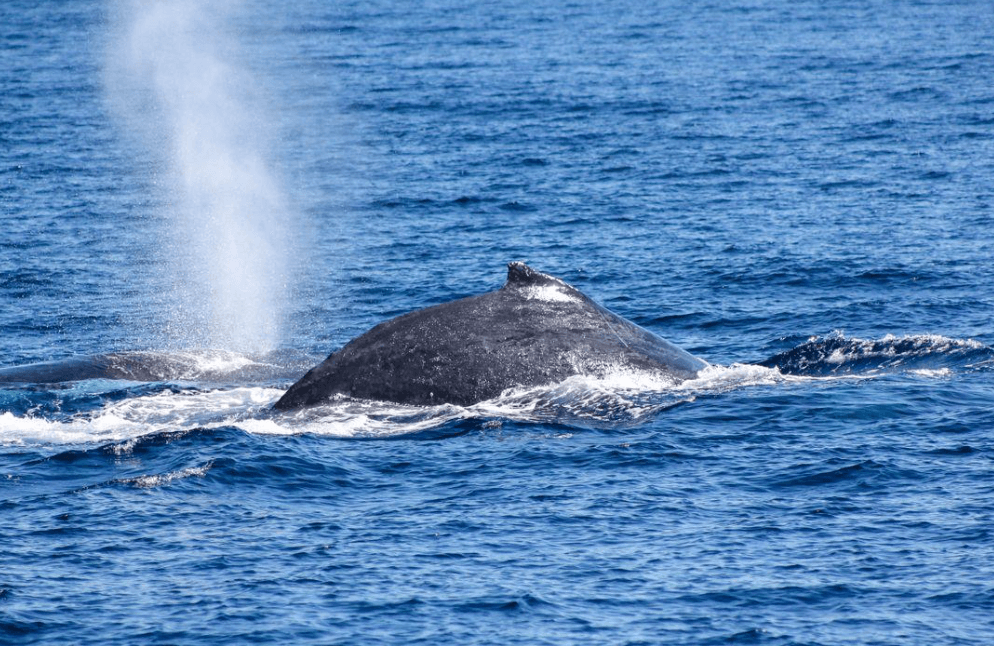
A wildlife observation: The guide may have noticed a blow, movement at the surface, or another sign of marine life. Listen to the description before trying to identify the animal yourself.
A change in viewing conditions: Waves, visibility, and other factors can affect what passengers can see. The crew may adjust its approach or viewing arrangements accordingly.
A reminder about passenger behavior: Instructions may be repeated when the boat becomes busy or an animal appears nearby. These reminders help keep the excursion organized and responsible.
If you miss an announcement, ask the guide for a brief explanation when it is appropriate to do so.
Questions Worth Asking Your Whale-Watching Guide
Asking a few thoughtful questions can help you understand the excursion and the wildlife more deeply.
Consider asking:
- How long is the excursion expected to last?
- What happens if weather or sea conditions change?
- What kinds of whale behavior might we observe today?
- How does the crew ensure responsible wildlife viewing?
- Are there other marine animals we might encounter?
- What should passengers do if they need assistance during the trip?
- How can I learn more about the whales after the excursion?
You do not need to ask every question. Choose the ones most relevant to your interests and listen to the information already provided.
What If You Do Not Understand the Briefing?
Visitors may speak different languages, and not every tour provides multilingual explanations. If you are unsure about an instruction, ask the crew to repeat or simplify it before acting.
You can also ask whether written information is available. If you have a specific accessibility or communication requirement, contacting the operator before booking may help you determine what assistance is available.
Do not rely on another passenger's interpretation when an instruction concerns an important operational matter. Confirm the information with the crew.
Does a Good Briefing Guarantee a Better Whale-Watching Experience?
A clear briefing can help passengers feel informed and prepared, but it cannot control wildlife behavior or guarantee sightings.
A successful excursion is not measured only by the number of whales observed. Learning about the animals, understanding their environment, and seeing how responsible wildlife tourism works can also make the trip meaningful.
When evaluating a tour operator, look for clear communication, realistic expectations, and a willingness to explain responsible viewing practices. Be cautious of promises that wild whales will definitely perform specific behaviors or appear at a guaranteed time.
How to Make the Most of Your Briefing
A few simple habits can help you get more value from the information provided.
- Arrive with enough time to hear the introduction.
- Keep your attention on the guide when important information is shared.
- Ask about anything you do not understand.
- Remember that the crew may adjust plans as conditions change.
- Follow passenger instructions throughout the excursion.
- Keep your expectations realistic and remain patient when searching for wildlife.
- Take time to learn about the animals instead of focusing only on photographs.
These habits help create a more informed experience for you and a smoother excursion for everyone on board.
Final Thoughts
Understanding your Samaná whale-watching tour briefing is a simple but useful part of preparing for an excursion. The information provided by the crew can explain the itinerary, clarify passenger expectations, and introduce the wildlife you may encounter in Samaná Bay.
Listen carefully, ask questions when appropriate, and follow responsible wildlife-viewing instructions. Most importantly, remember that humpback whales are wild animals whose movements and behavior cannot be guaranteed.
With realistic expectations and an interest in learning, you can appreciate more than the sight of a whale surfacing. You can also gain a better understanding of the marine environment that makes Samaná such a special destination for whale watching.
Frequently Asked Questions
What is included in a Samaná whale-watching briefing?
Depending on the operator, it may include the planned itinerary, passenger instructions, wildlife-viewing practices, and information about humpback whales.
Should I ask questions before the boat departs?
Yes. If you have questions about the itinerary, included services, or passenger instructions, the pre-departure briefing is a useful opportunity to ask.
Can a guide guarantee that I will see humpback whales?
No. Whale sightings depend on natural conditions and animal behavior. Be cautious of guarantees involving specific sightings or behaviors.
Why might the guide change the plan during the tour?
Conditions at sea, operational requirements, and wildlife activity may lead the crew to adjust the route or timing.
What should I do if I miss an instruction?
Ask a crew member to repeat or clarify it when appropriate, especially if it concerns passenger movement or an important operational procedure.
How can I help make the excursion responsible?
Follow the crew's instructions, avoid disturbing wildlife, and support operators that prioritize appropriate wildlife-viewing practices.

Local explorer & expert guide in Los Haitises Park Tours.